

SOUTH Africa’s current Special Economic Zone (SEZ) landscape reflects the country’s evolution from improvised policymaking – where regulations to create Industrial Development Zones (IDZ) were passed as a stop-gap measure in terms of the Manufacturing Development Act to address the requirements of a particular potential investor – to a structured legislative framework. The SEZ Act 16 of 2014 was designed to enable economic growth by attracting foreign and domestic investment through strategic incentives.
As one of South Africa’s first SEZs, the Coega SEZ was a pioneer of this evolution and now stands as one of Africa’s leading SEZs, having secured close to 70 operational investors.
A legislative framework for growth
Unlike the former IDZ regulations, the SEZ Act does not limit SEZ designations based on site proximity to airports and seaports, and it allows for the development of both manufacturing and services sectors.
Core functions of the SEZ Act include:
- Policy and governance: Establishing the SEZ Advisory Board and the SEZ Fund to provide financial and strategic support to zone operators.
- Designation and licensing: Creating a rigorous process where national, provincial, or municipal entities may apply to the Minister of Trade, Industry and Competition for SEZ designation, supported by feasibility studies and evidence of site control, followed by the promotion, development, operation and management of SEZs.
- Operational excellence: Implementation of One-Stop-Shops that streamline government services and reduce bureaucratic processes for businesses that locate in the zones.
- Incentives: Enabling tailor-made support programmes, regulatory measures and incentives to attract investment.
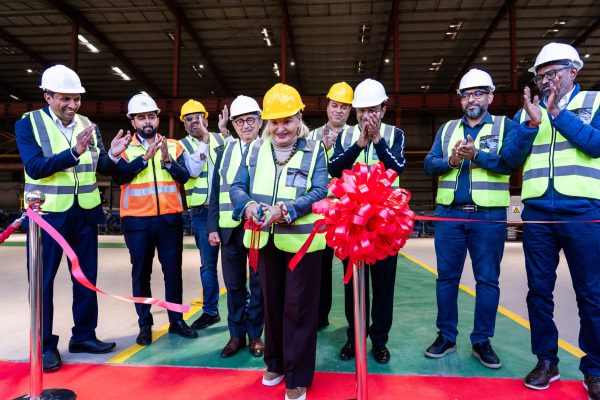
Recently, the Minister published a notice in the Government Gazette regarding the expansion of the Coega SEZ to incorporate the Aspen Pharmaceutical and Vaccine Precinct, demonstrating the agility of the SEZ framework.
Purpose and impact of an SEZ
An SEZ is an economic development tool designed to promote economic growth and exports. By utilising targeted support measures, the SEZ Programme aims to:
- Facilitate the creation of industrial complexes with strategic national economic advantages;
- Develop the critical infrastructure required for targeted industrial activities;
- Attract foreign and domestic direct investment;
- Enable the beneficiation of mineral and natural resources;
- Integrate with local industry and increase value-added production;
- Promote regional development and broaden economic participation, particularly for small, micro, and medium enterprises (SMMEs); and
- Create jobs, promote skills transfer, and foster innovative economic activities.
These objectives are being realised by the Coega Development Corporation within the Coega SEZ and beyond. By building robust infrastructure and leveraging the region’s traditional strength in the automotive industry, for example, the Coega SEZ has attracted over ten major investors in the auto sector alone.
The SEZ is effectively creating value chains that drive economic development and generate meaningful employment in the region.
The role of the SEZ operator
The success of SEZs relies heavily on the appointed operator – in Coega’s case, the Coega Development Corporation. As a state-owned company subject to the Companies Act, the Coega Development Corporation is the engine room of the Coega SEZ. The responsibilities of an SEZ Operator are extensive, including:
- Strategic execution and regulatory demarcation: Developing and managing infrastructure, security, facilities maintenance, and the necessary customs controls for trade facilitation. In Coega’s case, this is primarily achieved through the Operations Business Unit.
- Governance and compliance: Ensuring alignment with the Public Finance Management Act. In Coega’s case, this is ensured by the Finance Business Unit, Company Secretariate and Legal Services Unit.
- Investment promotion: Actively marketing the SEZ to international and local investors and vetting applications for new businesses. In Coega’s case, this is championed by the Business Development Unit and supported by the Marketing, Brand and Communications Unit.
Opportunities under the SEZ Act
Coega’s experience in developing the Coega SEZ has allowed it to gain expertise in various areas such as:
- Sharing of expertise: Leveraging the established skills of successful operators like Coega to manage or consult on SEZs in other provinces.
- Land management: Moving away from the pressure to liquidate assets toward a model of long-term revenue generation through leasing and strategic control.
- Institutional alignment: Strengthening relations with the DTIC to ensure that local growth initiatives align with national industrial policy through implementation protocols with entities like Home Affairs, the South African Revenue Service, and the Department of Labour, to name a few.
The experience and expertise gained have also allowed Coega to act as an Implementing Agent on projects such as hospitals, schools, and other major projects on behalf of government departments, both in South Africa and neighbouring countries. This is achieved through multiple dedicated business units. By moving beyond the reactive policies of the past, the current SEZ framework provides the freedom to advance SEZ and infrastructure development, enable job creation, foster SMME participation and development, and ultimately, secure Coega’s position as a catalyst for industrialisation, infrastructure delivery and sustainable development, and South Africa’s position as a preferred location for investment.