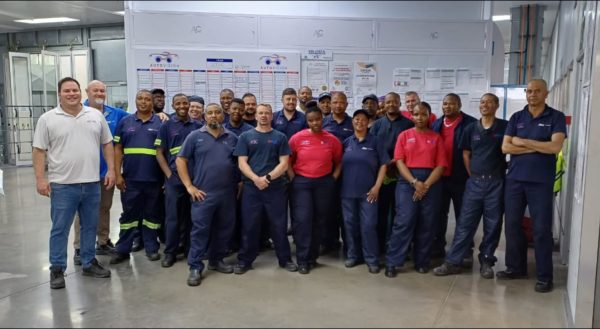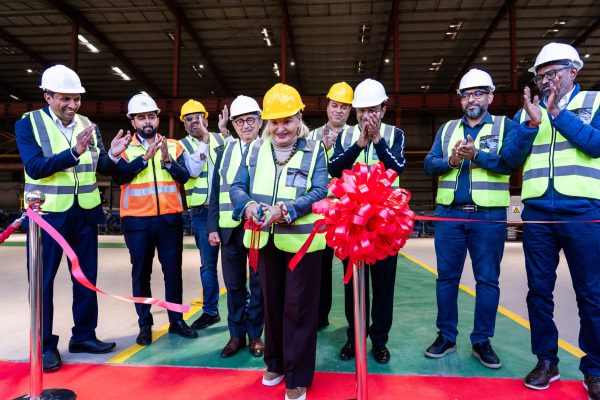


GLOBAL vehicle manufacturer Foton has officially launched Completely Knocked Down (CKD) vehicle production at its Gqeberha facility, marking a significant milestone for both the company and South Africa’s automotive sector.
The development represents Foton’s first vehicle production operation outside its home market, positioning South Africa as a strategic hub within the company’s global manufacturing and export network.
“The launch of CKD production at our Gqeberha facility represents a major milestone for Foton globally and for South Africa’s automotive industry,” said Marius Smal, CEO of Foton South Africa.
Eastern Cape strengthens automotive manufacturing hub
Construction of the Gqeberha plant began in 2016, with the facility now fully operational and capable of producing approximately 50,000 vehicles annually.
Production includes a range of passenger and commercial vehicles, including SUVs, bakkies from the Tunland line-up, and commercial trucks.
The plant has been designed with scalability in mind, allowing production to increase in line with rising demand in both local and international markets.
Export growth and investment opportunities
The Gqeberha facility will supply vehicles to the domestic market while supporting exports to Africa, the Middle East and Latin America, strengthening South Africa’s position in global automotive trade.
The investment aligns with South Africa’s Automotive Industry Development Plan 2035, which aims to expand local vehicle production and deepen localisation across the sector.
It also forms part of broader international investment initiatives linked to China’s Belt and Road Initiative.
Job creation and local supplier development
The project further cements the Eastern Cape’s status as a key automotive manufacturing hub, complementing existing operations in the region.
Since construction began, the facility has created more than 3,000 direct and indirect jobs. In addition, over 150 local small and medium-sized enterprises have been incorporated into the supply chain through sub-packaging and related activities.
These efforts form part of ongoing initiatives to increase local participation in vehicle manufacturing and support regional economic development.