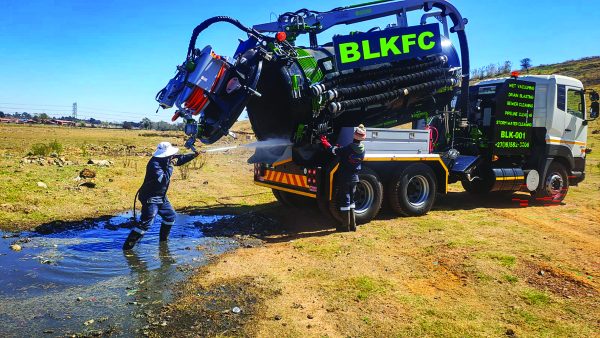

FOR operators using high-pressure jetting and vacuum equipment, knowing how a machine works is only part of the job. They also need to use it safely and effectively when faced with blocked sewer lines, difficult stormwater drains or challenging site conditions. That’s why Werner Pumps has expanded operator training beyond its factory, taking practical instruction directly to customer sites.
According to Lazarus Dikgale, certified trainer at Werner Pumps, the aim is to give operators experience in the conditions they encounter in their daily work.
“At the factory, we can demonstrate equipment operation in a controlled environment, but on site we are able to train operators in the exact conditions they face every day,” he says.
“For example, instead of demonstrating sewer unblocking or stormwater drain cleaning in a training pool, we can work manhole to manhole. This helps operators gain confidence and develop the skills to operate the equipment safely and efficiently.”
From pre-start checks to practical operation
Each training visit begins before the equipment is switched on. Dikgale demonstrates a pre-inspection and site-specific risk assessment, then takes operators through the daily inspections and pre-start checks they should perform themselves.
Operators are taught correct operating procedures, preventative maintenance and equipment care, as well as the dos and don’ts of using the unit.
Importantly, they do not simply watch – they participate. “The operators repeat every procedure themselves under supervision until they are confident and competent,” says Dikgale.
The training then moves into practical work, depending on the equipment and application. This can include unblocking sewer lines, cleaning stormwater drainage systems and vacuum loading.
Operators are also shown how to wash and clean the unit correctly after use, an important step in preventative maintenance.
Learning in real-world conditions
Taking training into the field exposes operators to variables that cannot easily be recreated at a factory.
Different blockages, weather, dust and site-specific challenges all influence how equipment is used. Working through these conditions under supervision helps operators understand not only what to do, but how to respond when the job does not go as expected.
“Factory training is excellent for teaching theory and understanding the machine,” says Dikgale. “On-site training combines that technical knowledge with real-life experience, resulting in operators who are more confident, capable and prepared for their daily work.”
It also gives the trainer an opportunity to identify habits that may affect safety, productivity or the condition of the equipment.
One common issue is operators assuming that experience with an older machine means they can operate a newer one.
Werner Pumps equipment continues to evolve, with changes in technology and operating systems. Previous experience is useful, Dikgale says, but should not replace learning the correct procedures for the unit being used.