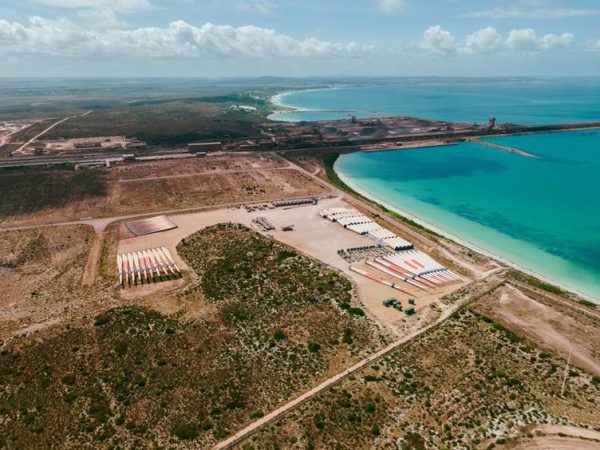

PERSEVERANCE Industrial Park is one of five industrial spaces selected for detailed energy assessments as part of the Fostering Low Carbon and Positive Energy Industrial Spaces (LC-PEIS) Project. The project aims to transform industrial spaces into sustainable industrialisation hubs by strengthening the enabling policy and regulatory environment, building stakeholder capacity, mobilising investment in low-carbon solutions, and demonstrating the business case for low-carbon and positive-energy industrial spaces through pilot projects and a prioritised investment pipeline.
The United Nations Industrial Organisation (Unido) is implementing the LC-PEIS project with funding from the Government of Flanders. Launched in April 2025, the project is implemented in partnership with GreenCape, the National Cleaner Production Centre South Africa and the Flemish Institute for Technological Research (VITO), under the guidance of the Department of Trade, Industry and Competition and the Department of Electricity and Energy. The project supports the development of more sustainable, energy-resilient and competitive industrial spaces in South Africa.
As part of the project, a national study has been commissioned to assess the role of Industrial Development Zones (IDZs), Special Economic Zones (SEZs) and similar industrial areas in advancing South Africa’s Just Energy Transition. Five industrial spaces were selected through a defined set of selection criteria to strengthen the evidence base on the GHG-reduction potential of industrial energy systems.
The other four spaces are:
- Freeport Saldanha, Western Cape
- Madadeni Industrial Estate, KwaZulu-Natal
- OR Tambo SEZ, Gauteng
- Port of Saldanha, Western Cape
Each site will receive technical assistance for detailed energy assessments, which will inform high-level energy masterplans and the identification of a prioritised pipeline of low-carbon energy projects.
These industrial spaces represent different industrial space archetypes in South Africa. Selection criteria included energy and technical characteristics, stakeholder commitment, geographic diversity, industrial typology and sector representation.
Together, the selected sites represent a diverse mix of public- and private-sector industrial ecosystems, including special economic zones, industrial parks and port-linked industrial developments. This diversity will enable the project to generate practical insights and recommendations applicable across a wide range of industrial contexts nationwide.
By demonstrating practical pathways towards low-carbon and positive-energy industrial spaces, the LC-PEIS project aims to build a strong evidence base for future investment and replication, helping position South African industrial spaces as key enablers of inclusive, resilient and sustainable industrial development.
Industrial spaces are a critical part of South Africa’s economy, hosting manufacturing, logistics and other productive activities that drive growth and employment. The country’s more than 200 industrial spaces operate under diverse ownership, governance and operational arrangements, ranging from publicly managed SEZs and IDZs to privately owned industrial parks, mixed-use precincts and older industrial areas. Many of these industrial spaces face significant challenges, including unreliable energy supply, rising costs, ageing infrastructure and continued dependence on fossil fuels. At the same time, they offer considerable potential to generate renewable energy, improve energy efficiency and strengthen energy resilience both within industrial sites and their surroundings.
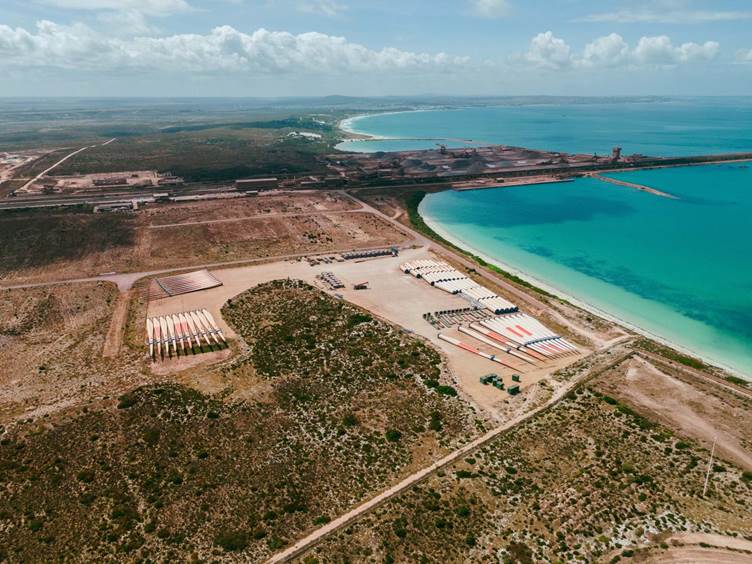
Caption: Perserverance Aerial
Photo: © Unido South Africa