



GLOBAL disruption is no longer something we read about – it’s something businesses are navigating daily. From unpredictable pricing to ongoing delivery delays, the effects of global instability are no longer distant, they are now part of everyday business reality.
We are constantly exposed to what’s happening in the world through headlines, feeds, broadcasts, and conversations, but simply seeing it doesn’t mean we truly understand its impact. As global pressures intensify, their impact runs deeper than we often realise, creating a growing sense of uncertainty marked by stress, concern, and doubt.
At the same time, global trade remains fundamental. Different countries offer different products, skills, and specialisations, and for economies to function effectively, the exchange of goods and services across borders is essential. However, recent geopolitical tensions and disruptions to global supply chains are highlighting the risks that come with heavy reliance on imports.
Shipping delays, rising logistics costs, and uncertainty across key trade routes are no longer isolated challenges, they are becoming part of a broader global pattern. For South Africa, where many industries depend on imported goods and components, these disruptions can quickly translate into higher costs, supply constraints, and added pressure on both businesses and consumers.
“Global trade disruptions show just how interconnected modern economies have become,” says Ruan Cowley, Managing Director at KNUTH South Africa. “They reinforce that reactive decision-making is no longer sustainable. A more strategic, long-term approach is now essential.”
Although global events may seem removed from daily life, their impact is far-reaching. The steady flow of goods that businesses rely on is no longer as predictable as it once was, and the assumption that imports will always be readily available at competitive prices is increasingly being challenged.
Amid these shifts, a clear message is emerging.
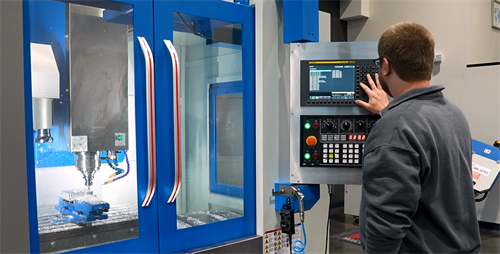
Recent disruptions are prompting renewed focus on the role of local manufacturing and its ability to support economic stability. While importing has often been the most cost-effective option, the current environment is highlighting the importance of balancing global sourcing with stronger domestic capability.
“These disruptions highlight the importance of local manufacturing capacity,” Cowley explains. “Strengthening domestic production reduces reliance on imports and builds resilience in the face of ongoing uncertainty.”
Strengthening local manufacturing carries broader economic benefits. It supports job creation, strengthens local value chains, improves supply reliability, and reduces exposure to exchange rate volatility and rising transport costs. It also allows businesses to respond more quickly to changing demand, without being entirely dependent on international lead times.
“Economic resilience is increasingly defined by a country’s ability to produce and adapt locally,” Cowley adds. “A stronger industrial base provides the foundation for improved navigation of disruptions and supporting future growth.”
As global trade continues to evolve under pressure, South Africa is being presented with an opportunity to reassess its position – not by stepping away from international markets, but by strengthening what can be produced closer to home.
For Knuth Machine Tools South Africa, playing a part in the manufacturing landscape means standing alongside our partners in times of change. With reliable machinery, expert support, and a global legacy behind us, we are committed to strengthening local industry for the future.

