
THE future of the Eastern Cape rail network came under the spotlight at the 2026 Eastern Cape Transport Research Symposium, hosted by Nelson Mandela University (NMU) under the theme“Back on Track: Revitalising EC’s Rail Services for socioeconomics development”
The three-day symposium brought together government leaders, researchers and industry stakeholders to explore practical, evidence-based solutions to revitalise rail infrastructure and unlock its potential to drive economic growth, improve mobility and strengthen logistics networks across the province.
Strategic partnership to drive rail innovation
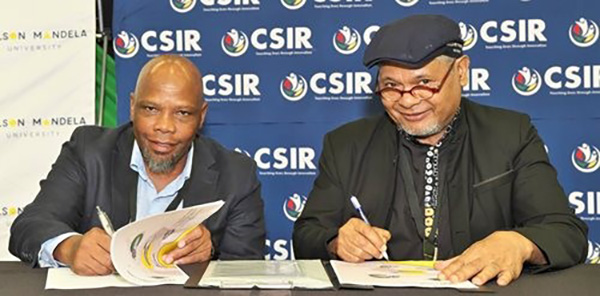
A key highlight of the event was the signing of a Memorandum of Understanding (MoU) between the Eastern Cape Department of Transport (ECDOT) and Nelson Mandela University (NMU).
The agreement formalises a strategic partnership focused on advancing research, policy development and innovation in the Eastern Cape transport and logistics sector. It also reinforces the role of collaboration between academia and government in addressing complex infrastructure challenges.
Rail central to Eastern Cape economic growth
Discussions throughout the symposium highlighted the growing recognition that a modern, efficient rail system is critical to enabling inclusive growth, improving regional connectivity and supporting long-term economic development in the province.
Delegates explored how the renewal and modernisation of rail infrastructure could enhance both passenger transport and freight logistics, particularly in supporting key sectors such as manufacturing, agriculture and export industries linked to the province’s ports.
Key focus areas for rail revitalisation
The programme featured keynote addresses, research presentations and panel discussions centred on rail infrastructure renewal; passenger rail recovery; freight logistics; integrated transport planning; and the role of rail in building a sustainable and efficient transport system.
Participants emphasised the importance of leveraging research, technology and data-driven planning to improve rail efficiency, safety and operational performance.
Driving connectivity and reducing inequality
A strong focus was placed on rail’s potential to improve mobility and connectivity by linking cities, towns and rural communities more effectively. Enhanced rail networks can help reduce spatial inequality and expand access to economic opportunities, employment and essential services.
The symposium further explored the social and environmental benefits of rail. Affordable and accessible rail services can expand access to employment, education and services for marginalised communities, while increased rail use can reduce road congestion, lower transport emissions and contribute to greener mobility systems.
Research-led solutions for transport challenges
Speaking at the symposium, representatives highlighted the critical role of universities in shaping the future of transport infrastructure.
“Universities play a vital role in generating the research and knowledge needed to support informed decision-making in the transport sector,” a university representative noted.
“This partnership enables closer collaboration with government to develop practical, evidence-based solutions that support sustainable transport systems and economic development in the Eastern Cape.”
Next steps for Eastern Cape rail development
Through the partnership, Nelson Mandela University and ECDOT will collaborate on joint research initiatives aimed at informing policy, strengthening planning processes and supporting the implementation of sustainable transport solutions.
The symposium also underscored the strategic importance of revitalising the Eastern Cape rail network to reduce pressure on road infrastructure, improve freight movement and enhance the overall efficiency of the provincial logistics system.
By combining research, policy alignment and industry collaboration, stakeholders are working to position rail as a key enabler of economic growth, connectivity and infrastructure development in the Eastern Cape.